
If you suffer from jaw pain, frequent headaches, or worn-down teeth, an uneven bite may be the cause. A healthy bite allows your teeth to come together evenly, distributing chewing forces across all your teeth. When your bite is off, it can strain your jaw muscles and the temporomandibular joint (TMJ), leading to pain, clicking, and even tooth damage.
At Old Orchard Periodontics & Implant Dentistry, Dr. David Barack and Dr. Chander Gupta are board-certified periodontists with decades of experience diagnosing and treating complex bite problems.
Our dentists work closely with your general dentist to provide comprehensive, coordinated periodontal care. Our goal is to help you achieve a bite that functions comfortably and protects your teeth for a lifetime. We use advanced technology, including 3D imaging for precise and predictable results.
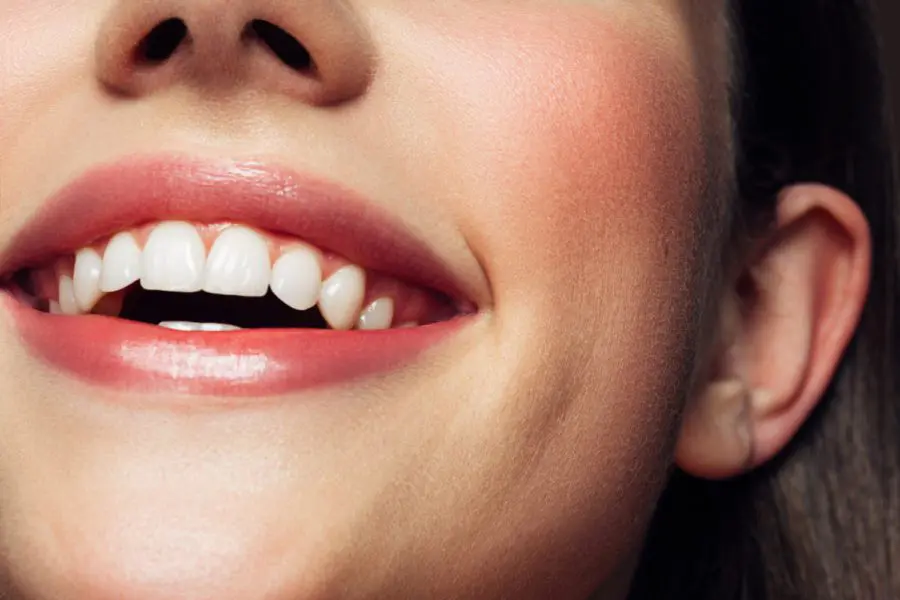
What is a Bite Adjustment?
When teeth show tooth wear, experience loose teeth, or have TMJ (jaw joint) damage, you likely have bite issues. Bite therapy helps restore a bite that can function without damage and destruction.
Getting a bite adjustment in our Skokie, IL office includes rehaping the biting surfaces of the teeth and eliminating spots of excessive pressure where the teeth are brought into contact. This is done by carefully dividing bite pressures evenly across all of the teeth.
Our office can also create a straighter and more comfortable bite with these treatments:
- Bite splint therapy using a custom-fitted and adjusted plastic bite guard to keep the teeth apart, worn during the day, at night, or both.
- Dental braces to reposition mal-aligned or drifted teeth.
- Replacement of old, worn-out, or damaged fillings.
- Reconstruction of badly worn and damaged teeth.
Bite Adjustment FAQs
Read answers to common questions about bite adjustment treatment in Skokie, IL.
How do I know if I need a bite adjustment?
Common signs that you may need a bite adjustment include:
- Jaw pain or soreness
- Frequent headaches
- Clicking or popping sounds when you open or close your mouth
- Worn or chipped teeth
- Loose teeth
Many patients also notice that their teeth don’t seem to fit together the way they used to. Dr. Barack or Dr. Gupta will evaluate your bite during a comprehensive exam to determine if a bite adjustment is right for you.
How can dentists tell if I need a bite adjustment?
Contact our dentists so we can evaluate your bite. Our dentists will take these steps:
- Discuss your symptoms: Dr. Barack or Dr. Gupta will ask about any jaw pain, headaches, clicking or popping sounds, or worn teeth you have noticed.
- Examine your teeth: They will check your teeth for signs of wear, chips, cracks, or loose teeth.
- Feel your jaw muscles: They will gently press on your jaw muscles to check for tenderness or tension.
- Evaluate your bite: They may use special marking paper or a digital scanner to see how your teeth come together when you bite. This helps identify high spots where pressure is too strong.
- Take digital images: In some cases, they may take digital X-rays or 3D images to get a complete view of your bite and jaw structure.
- Discuss your options: After the exam, Dr. Barack or Dr. Gupta will explain their findings. They will discuss your treatment options and answer your questions.
What happens when my dentist reshapes my bite?
When Dr. Barack or Dr. Gupta reshapes your bite, they make small, precise adjustments to the chewing surfaces of your teeth. This is called an occlusal adjustment. The goal is to remove tiny areas of excessive pressure, known as “high spots,” where your teeth come together too forcefully.
The procedure is gentle and painless. Our dentists use a fine tool to smooth your enamel. You may feel vibration or hear a sound, but no discomfort. They check your bite regularly using special marking paper. You bite down so they can see where pressure points are. Then they continue adjusting until your bite feels balanced.
Does a bite adjustment hurt?
No, you won’t feel any pain during your bite adjustment. The adjustment only removes tiny amounts of enamel, which is the hard outer layer of your teeth. It does not have nerves.
What should I expect after my bite adjustment?
After your bite adjustment, you will likely notice an immediate difference in how your teeth fit together. Your bite may feel different at first. This is normal as your jaw muscles relax and adjust to the new position.
You might have some mild sensitivity to cold or pressure for a few days. This is common and usually goes away quickly. You can eat soft foods if your teeth feel tender.
Realign Your Bite Today
Do you have an uncomfortable bite? Call Old Orchard Periodontics & Implant Dentistry today at [new_patient_phone]. You can also request an appointment with us online.